phones

Commercial AV Procurement Guide for Smarter Buys

A conference room can look fully equipped on paper and still fail the first real meeting. The camera may not frame participants correctly, the display may lack the right inputs, or the room controller may not support the organization’s chosen meeting platform. A commercial AV procurement guide prevents these expensive gaps by treating each purchase as part of an operating environment, not as a collection of individual products.

For procurement teams, IT leaders, facilities managers, and education buyers, the objective is clear: buy the right equipment at a competitive commercial price, deploy it predictably, and keep it supportable over its useful life. That requires a sharper process than comparing unit prices across online listings.

Start the Commercial AV Procurement Guide With the Room

The best AV specification begins with how a space is used. A six-person huddle room, a 16-seat boardroom, a divisible training space, and a lecture hall may all require video conferencing, but they should not receive the same equipment package.

Document room dimensions, table layout, seating capacity, ceiling height, ambient light, acoustics, existing displays, network availability, power locations, and cable pathways. These details determine whether a standard USB conference camera is sufficient or whether the room needs a dedicated appliance, multi-camera tracking, ceiling microphones, audio processing, and control integration.

Platform choice matters just as much. If the business standard is Microsoft Teams Rooms or Zoom Rooms, procure certified room systems designed for that platform. A lower-cost device that requires a personal laptop for every meeting may suit a small flexible space. It is rarely the right answer for executive rooms or high-use shared spaces where users expect one-touch join functionality.

A practical room brief should answer three questions: who uses the room, what meetings take place there, and what must work without technical assistance? Those answers set the performance floor before brands, models, and prices enter the conversation.

Specify Outcomes, Not Just Product Categories

“Conference camera,” “commercial display,” and “speakerphone” are purchasing categories, not complete specifications. Procurement documentation should define the intended outcome and the conditions the equipment must meet.

For example, a camera requirement should cover field of view, optical zoom, framing behavior, low-light performance, mounting position, and compatibility with the selected compute platform. In a long boardroom, digital zoom can leave remote participants looking at soft, cropped images. Optical zoom and a PTZ camera may cost more upfront, but can materially improve the meeting experience.

Audio deserves the same scrutiny. A single tabletop speakerphone can work well in a small room with soft finishes and close seating. In a larger room with glass walls, hard surfaces, and participants sitting several feet from the table center, it can produce poor pickup, echo, and uneven voice levels. That room may need expansion microphones, a soundbar with beamforming microphones, or a professional microphone and DSP design.

For displays, specify usable viewing distance, content type, required brightness, operating hours, orientation, and source requirements. A consumer television may offer an attractive purchase price, but commercial displays are typically better suited to long daily operating hours, remote management, warranty expectations, and digital signage applications. The right choice depends on usage. A lightly used meeting room and a lobby screen operating all day should not be evaluated the same way.

Standardize Where It Delivers Real Value

Standardization is one of the strongest controls in commercial AV procurement. It reduces support complexity, accelerates deployment, simplifies training, and gives buyers more leverage when purchasing across multiple rooms or sites.

Create approved solution tiers rather than forcing every room into one design. For instance, an organization may standardize a small-room kit, medium-room kit, large-room kit, training-room kit, and executive-room kit. Each tier should include the approved camera, audio system, display size range, mounting hardware, cabling, compute device, and management approach.

The aim is not to eliminate flexibility. A heritage building, a university lecture theater, or a room with unusual acoustics may need a tailored design. The goal is to make exceptions visible and justified instead of allowing every site to select different hardware based on immediate availability or a one-off discount.

Standardized bundles also make quoting more accurate. When every package includes the accessories often missed in initial budgets – mounts, adapters, extension cables, touch controllers, power supplies, and installation hardware – teams avoid the late-stage costs that undermine a supposedly low quote.

Evaluate Total Cost, Not the Lowest Cart Price

The lowest line-item price is not always the lowest commercial cost. A procurement decision should consider acquisition, deployment, operations, and replacement.

Start with the direct costs: equipment, freight, taxes, mounts, cables, licensing, and warranty coverage. Then account for labor, configuration, room commissioning, user training, and the likely cost of resolving compatibility issues. A system that arrives as a validated room solution can be better value than separately sourced components that require extra troubleshooting before they work together.

Lifecycle matters too. Ask whether the product has centralized management, firmware support, replacement stock availability, and a clear commercial warranty. A display or room system purchased near end of life may look like a bargain, but it can create standardization problems when expansion rooms need matching products six months later.

For larger deployments, finance options can also change the purchasing decision. Spreading expenditure may allow an organization to standardize more rooms sooner rather than delaying critical upgrades. That only makes sense when the monthly commitment, term, and total cost align with the organization’s budget policy.

Validate Compatibility Before Issuing a Purchase Order

Compatibility should be checked at the solution level, not assumed from marketing language. “Works with Teams” may mean the device can be used through USB, while “Teams Rooms certified” means it is built and validated for a dedicated room deployment. Those are different buying decisions.

Before approval, confirm the relationships between the meeting platform, room compute, camera, audio peripherals, touch controller, display, network, and device management tools. Confirm whether the selected hardware supports the organization’s operating system, authentication method, security policy, and network configuration.

This is especially relevant for USB-based rooms. USB cable length limits, bandwidth requirements, and power delivery can affect whether a camera or audio device performs reliably from its planned location. A room may require active extension hardware or a different architecture entirely.

Use a pre-purchase validation checklist for high-value rooms and multi-site rollouts:

  • Platform certification and supported software versions
  • Camera, microphone, speaker, display, and controller interoperability
  • Network, power, mounting, and cable requirements
  • Management, security, warranty, and firmware-update responsibilities
  • Accessibility requirements, including captioning and hearing assistance where applicable

A supplier with technical AV expertise should be able to identify gaps in the proposed bill of materials before products ship. That review is often faster and less costly than rectifying a room after furniture, displays, and cabling are already installed.

Buy for Deployment, Not Delivery Alone

Fast delivery matters, particularly when projects are tied to office moves, term dates, or refresh deadlines. But delivery is only one milestone. Commercial buyers should establish who receives equipment, stores it securely, labels assets, stages devices, installs mounts, configures rooms, tests performance, and signs off the completed space.

For a single room, an internal IT team may handle the work. For a multi-room or multi-site rollout, installation and integration support can protect schedules and produce a more consistent outcome. This is particularly valuable when display mounting, structured cabling, audio tuning, control programming, or after-hours work is required.

Request quotes that separate hardware, services, and optional items clearly. That allows procurement to compare proposals fairly and decide where internal teams can take responsibility. It also prevents a common problem: approving hardware first, then discovering that installation requirements exceed the remaining project budget.

Protect the Investment After Go-Live

AV systems are operational technology. They need ownership after installation. Assign responsibility for device monitoring, meeting-platform updates, firmware maintenance, cleaning, replacement accessories, and first-line user support.

Build a simple asset record for every room, including model numbers, serial numbers, purchase dates, warranty status, network details, configuration notes, and support contacts. This makes refresh planning far easier and reduces downtime when a component needs replacement.

Procurement should also plan for spares. Keeping a small number of approved cables, remote controls, power supplies, and critical USB peripherals can restore a room quickly. For larger standardized estates, holding a spare room system or display may be justified where meeting availability is business-critical.

The right commercial AV purchase is the one users can walk into, operate immediately, and rely on repeatedly. Define the room outcome, validate the system, price the full lifecycle, and choose supply and support partners that can stand behind the deployment. That is how AV procurement becomes a controlled business decision rather than a recurring source of urgent fixes.

AV Control Systems for Smarter Commercial Spaces

A boardroom should not need a laminated instruction sheet, three remotes, and a call to IT before a client presentation. AV control systems replace that friction with one predictable way to start a meeting, select a source, adjust the room, and shut everything down when the session ends.

For commercial organizations, that simplicity is not a cosmetic upgrade. It protects meeting time, reduces support tickets, encourages adoption of installed technology, and gives IT teams a more manageable standard across rooms and sites. The right system can bring displays, projectors, conferencing hardware, audio processors, lighting, blinds, and occupancy devices into a single user experience.

What AV Control Systems Actually Do

An AV control system is the command layer for a room’s technology. It tells equipment what to do and presents users with the controls they need through a touchscreen, wall keypad, scheduling panel, mobile interface, or computer-based dashboard.

A typical meeting room workflow might begin with a user tapping “Start Meeting.” The system powers on the display, wakes the video bar or conference camera, sets the correct input, adjusts the audio level, and can lower shades or set the room lighting. At the end of the meeting, one command can turn equipment off and return the space to its default state.

The distinction matters: a control system does not necessarily carry video or audio itself. Switching, distribution, DSP, conferencing appliances, and displays each handle their own jobs. The controller coordinates them. In a smaller huddle room, that coordination may be built into an all-in-one device or display. In a divisible training room, it may involve purpose-built processors, touch panels, network interfaces, and carefully programmed logic.

Why Commercial Spaces Need Centralized Control

Most room technology problems are not caused by a lack of devices. They happen because the devices were added at different times, configured independently, and left for users to figure out. A premium display, excellent conference camera, and capable wireless presentation system still create a poor experience if people must guess which remote changes the volume.

Centralized control makes the room easier to operate, but it also creates operational discipline. Facilities teams can standardize shutdown behavior to reduce unnecessary power use. IT can restrict advanced settings that users should not change. Support staff can identify whether a display is offline, a source is disconnected, or a room has been left powered on, depending on the platform and network design.

This is especially valuable where rooms need to work the same way. Corporate offices with repeated room types, university teaching spaces, medical training rooms, council chambers, and multi-site organizations all benefit from a familiar interface. Users should be able to walk into another room and know how to join a video call or share content without a fresh learning curve.

The Business Case Is Usually Time, Not Features

A control system earns its place when it removes recurring waste. If five people lose six minutes at the beginning of a weekly meeting because the room will not start correctly, the cost compounds quickly. Add executive rooms, customer-facing spaces, classrooms, and shared training areas, and the impact becomes material.

That does not mean every room needs a sophisticated custom controller. A two-person focus room with a USB conference camera and a single display may be better served by a simple, reliable setup. The goal is appropriate control, not maximum complexity.

Choose the Control Approach for the Room Type

The starting point is not the touchscreen. It is the room workflow. Define what people need to do in the space, how often they do it, and which actions must happen consistently.

A basic meeting room may need only display power, source selection, volume, and video conferencing control. A boardroom may require multiple presentation sources, dual displays, a conferencing appliance, ceiling microphones, amplified speakers, cameras, room scheduling, and support for guest devices. A training room may add lecture capture, confidence monitors, assisted listening, and partition control when rooms combine.

Native Room Controls

Many Microsoft Teams Rooms, Zoom Rooms, commercial displays, and all-in-one video bars include their own controllers or touch interfaces. This is often the fastest and most cost-effective option for standardized rooms with straightforward requirements.

Native controls are a strong choice when conferencing is the center of the room experience and the equipment list is limited. The trade-off is flexibility. If the room later adds third-party AV switching, motorized shades, complex audio, or multiple operating modes, native controls may not provide the depth required.

Dedicated AV Control Platforms

Dedicated platforms are designed to coordinate multiple technologies and create a tailored user interface. They are commonly specified for executive boardrooms, large conference rooms, lecture theaters, training facilities, and divisible spaces.

Their advantages are broad device compatibility, custom logic, scheduling integration, remote monitoring options, and a consistent user experience across complex rooms. The trade-off is that design and programming require experienced integration work. A poor control interface can make expensive equipment harder to use, so the programming scope should never be treated as an afterthought.

Hybrid Control Designs

Hybrid systems are increasingly common. A Teams or Zoom touch console may remain the primary interface for calls, while a dedicated AV touchscreen handles room modes, lighting, advanced camera presets, source routing, or divisible-room functions.

This approach can be effective, but only when responsibilities are clear. If users must use one panel to join a call and another to select a camera without obvious guidance, the design has failed. Good hybrid rooms hide complexity rather than moving it between screens.

Key Design Decisions Before You Buy

Procurement should begin with a room brief, not a list of product part numbers. The most successful deployments identify the practical requirements early: room capacity, furniture layout, display locations, video platform, presentation sources, accessibility needs, network rules, and support model.

There are four decisions that deserve particular attention:

  • User workflows: Document the most common tasks first, such as starting a Teams meeting, sharing from a laptop, switching to a guest presentation, or running a training session. The interface should make these actions obvious within one or two taps.
  • Control connections: Devices may be controlled over IP, serial, USB, infrared, relay, or digital I/O. IP control is flexible and increasingly common, but it depends on sound network planning, security policies, addressing, and device management.
  • Failure behavior: Consider what happens when the network drops, a display is replaced, or a conferencing appliance restarts. Critical functions should recover predictably, and support teams need a clear way to diagnose faults.
  • Future expansion: Allow for additional sources, cameras, room sensors, or displays where growth is likely. This does not mean buying unused capacity everywhere. It means avoiding an installation that can only be changed through major rework.

Don’t Underestimate Audio and Network Dependencies

Control is only as dependable as the systems it manages. In larger rooms, audio is often the limiting factor. Ceiling microphones, beamforming arrays, digital signal processors, USB bridges, amplifiers, and speakers need to be designed as a complete signal path. A touchscreen cannot solve echo, poor gain structure, or a microphone placed too far from participants.

The same applies to networking. Managed AV devices need appropriate VLAN design, secure credentials, firewall rules, PoE capacity, and stable addressing. IT teams should be involved early, particularly where conferencing systems, digital signage, wireless presentation, building management systems, or remote management services share the network.

A practical specification also identifies ownership. Facilities may manage lighting and shades, IT may manage networked devices and collaboration platforms, while an AV integrator supports programming and hardware. Without agreement on who handles which issue, remote monitoring can generate alerts without anyone accountable for resolving them.

Make the Interface Simple Enough for Guests

The best control interface is rarely the one with the most pages. A visitor should be able to enter the room, understand how to begin, and present content without training. Advanced functions can be available, but they should not dominate the opening screen.

Use plain labels. “Present Laptop” is clearer than “HDMI Input 2.” “Camera Presets” is more useful than “PTZ Control.” Confirm potentially disruptive actions, such as ending a session or shutting down a room, but do not add confirmation screens to routine tasks. Small delays and unclear labels are exactly what cause users to reach for a help desk number.

Consistency also matters more than visual novelty. If every room uses the same names, icons, and button positions, staff build confidence quickly. That is a significant advantage for organizations standardizing technology across offices, campuses, or customer briefing centers.

Procurement, Installation, and Ongoing Support

AV control systems should be procured as a solution, not as a disconnected collection of controllers, panels, and cables. Compatibility needs to be confirmed across the conferencing platform, displays, cameras, audio hardware, switching, and network environment. Installation quality matters just as much as the equipment selection, particularly for racks, cabling, audio tuning, device labeling, and commissioning.

Before handover, test the real scenarios people will use. Join a scheduled video meeting, share from managed and guest laptops, move between sources, test camera framing, verify audio from every seating position, and confirm the room recovers correctly after a power cycle. Ask support staff to run the test as well. If they cannot understand the system, users will struggle too.

e365 SuperStore can help commercial buyers source compatible conferencing, display, audio, networking, and control hardware with the technical guidance needed to turn a room specification into a deployable solution. For larger or more specialized spaces, engage installation and integration support early rather than trying to solve design gaps after equipment arrives.

The right result is a room that feels almost invisible: people walk in, start work, and focus on the conversation instead of the technology.

Best Teams Certified Headsets for Business Calls

A headset that sounds fine in a quiet home office can fail quickly on a busy sales floor, open-plan workplace, or hybrid call with 20 participants. The best Teams certified headsets are designed for more than listening to audio. They provide dependable microphone performance, familiar Teams controls, comfortable all-day wear, and a supportable standard for IT teams managing hundreds of users.

For business buyers, the right choice is rarely just about the highest specification. It is about matching the headset to the employee, call volume, workplace noise, desk setup, security requirements, and lifecycle expectations. A finance team working mainly at assigned desks has different needs from mobile managers, contact center agents, and executives moving between offices.

What Teams certification actually means

Microsoft Teams certification confirms that a headset has been tested to work with Teams features and performance requirements. In practical terms, this can include a dedicated Teams button, call-answer and mute controls, reliable audio behavior, and integration that helps users join or manage meetings without reaching for their mouse.

Certification reduces compatibility guesswork, particularly when standardizing equipment across a business. It does not mean every certified headset is equally suited to every environment. A compact Bluetooth model may be certified and excellent for hybrid work, while a DECT headset may be the stronger choice for reception, service teams, or staff who need to walk around a large office.

Always check the exact model and variant before purchasing. Many product families are available in both Teams-certified and UC versions, with different buttons, USB adapters, or charging accessories. That distinction matters when buying at volume.

The best Teams certified headsets by work style

For hybrid professionals: Jabra Evolve2 65 Flex

The Jabra Evolve2 65 Flex is a strong option for professionals who split time between home, office, and travel. Its foldable design makes it easier to carry than traditional office headsets, while active noise cancellation helps reduce distractions in shared workspaces and airports.

This is a sensible choice for managers, consultants, sales professionals, and knowledge workers who need one premium headset for calls and focused work. It is not the lowest-cost option for a large rollout, but its portability and user experience can justify the investment for highly mobile roles.

For busy open offices: Poly Voyager Focus 2

For employees surrounded by conversation, the Poly Voyager Focus 2 is built around voice clarity and concentration. Its boom microphone and noise-reduction technology help the far end hear the speaker rather than the room, while active noise cancellation gives the wearer greater control over background noise.

A stereo Bluetooth headset like this is ideal for frequent Teams meetings, client calls, and concentration work. The trade-off is that wireless stereo headsets need charging discipline. For organizations where users work long shifts, a charging stand or a second wired option can prevent avoidable downtime.

For desk-based service teams: Jabra Engage 65 or Engage 75

DECT headsets remain an excellent commercial choice where call reliability, range, and desk-phone integration are priorities. The Jabra Engage 65 and Engage 75 ranges are designed for high-density office use and can support employees who need to move away from their desks without dropping calls.

The key difference is connectivity. The Engage 65 is suited to users with simpler requirements, while the Engage 75 offers broader connection options for organizations combining computers, desk phones, and mobile devices. These are not travel headsets, but for reception, customer service, medical administration, and office-based call handling, DECT can be the more dependable platform.

For premium executive use: EPOS IMPACT 1000

The EPOS IMPACT 1000 range is aimed at professionals who spend much of their day in high-value conversations. It combines a polished business design with strong microphone noise cancellation, helping users stay clear when office noise is unpredictable.

This category works well for executive teams, legal and financial professionals, project leaders, and customer-facing staff. The buying case is straightforward: if poor audio could damage a client relationship or delay a decision, premium microphone performance is easier to justify than repeated call frustration.

For value-focused wireless deployment: Yealink BH76

The Yealink BH76 offers a practical balance of wireless flexibility, comfort, and business-ready call performance. It is worth considering for organizations already using Yealink Teams phones, room systems, or desk devices and looking to maintain a consistent vendor ecosystem.

A standardized ecosystem can simplify provisioning, support, and purchasing, though it should not override real user testing. Fit, microphone placement, and charging habits still vary by employee. A small pilot group often reveals whether a model is suitable for an organization-wide deployment.

Choose the right headset type before choosing a brand

The most efficient procurement process starts with headset category, not a product name. Wired USB headsets are the simplest choice for fixed desks, training environments, temporary staff, and high-volume deployments. They cost less, require no battery management, and are easy to replace. Their limitation is movement: users are tied to their workstation.

Bluetooth headsets suit hybrid workers and employees switching between laptops and phones. Look for models with a Teams-certified USB adapter when consistency is critical. Native Bluetooth performance can vary between computers, while an included adapter can provide more predictable call controls and connection behavior.

DECT headsets are purpose-built for professional voice environments. They typically offer greater wireless range and better density management than Bluetooth, making them appropriate for larger offices and users who cannot stay seated through every call. They do require a base station, so they are less convenient for travel.

Monaural headsets keep one ear open to colleagues and workplace activity. Stereo headsets create more focus and are usually better for long Teams meetings, video calls, and noisy settings. Neither is universally better. A receptionist may need awareness; an analyst handling back-to-back meetings may need isolation.

Features that matter in a commercial rollout

Microphone quality should be the first technical priority. Look for multiple noise-canceling microphones, a boom arm positioned near the mouth, and technology designed to reduce nearby speech. Speaker noise cancellation helps the wearer, but it is your microphone that protects call quality for customers and colleagues.

Comfort is equally commercial. A headset that causes pressure or heat after an hour will be left on a desk, regardless of its specifications. Consider weight, headband tension, ear cushion material, and whether users wear glasses. For a deployment of 50 units or more, sample units are a smarter investment than selecting from datasheets alone.

Battery life matters, but charging design matters too. A headset rated for a full workday is useful only if employees can charge it conveniently. Desk stands reduce lost cables and create a predictable place for devices at the end of a shift. For shared desks, clearly managed charging stations may be more effective than individual accessories.

Finally, assess management capability. Enterprise headset platforms can support firmware updates, device visibility, and configuration policies. That may not matter for a five-person office, but it becomes valuable across departments, sites, or a large hybrid workforce. A lower upfront unit price can become expensive if support teams spend excessive time diagnosing user issues.

Avoid common Teams headset buying mistakes

The first mistake is assuming any USB or Bluetooth headset is appropriate for Teams. It may connect, but connection is not the same as a consistent business experience. Teams certification, the right USB adapter, and approved firmware all help reduce support calls.

The second is standardizing on one model without considering job roles. A single headset can simplify purchasing, yet forcing a mobile salesperson and a desk-bound service agent into the same device often produces poor adoption. Two or three approved models usually deliver a better balance of control and fit.

The third is ignoring deployment support. Headsets are small devices, but a multi-site rollout can involve asset tracking, firmware planning, user guidance, desk-phone compatibility, and warranty coordination. Working with a specialist supplier such as e365 SuperStore can help procurement teams source the right certified variants and build a deployment plan around the way people actually work.

Build a headset standard your team will use

Start with a short pilot across representative user groups: mobile professionals, frequent meeting attendees, desk-based callers, and noisy-office staff. Ask for feedback after real workdays, not a five-minute demo. Then set an approved range with clear use cases, accessories, and replacement rules.

The best headset decision is the one employees stop thinking about. When calls are clear, Teams controls are familiar, and the device fits the workday, your team can focus on the conversation rather than the technology.

Best Speakerphone for Conference Calls

A conference call starts to fail long before anyone drops off the meeting. It usually starts when voices sound distant, side conversations disappear, or the far end keeps asking people to repeat themselves. If you are choosing the best speakerphone for conference calls, the real job is not buying a popular device. It is matching the microphone pickup, speaker output, platform compatibility, and room size to the way your business actually meets.

That matters because a speakerphone that works well on an executive’s desk can struggle badly in a six-person huddle room, and a model that sounds excellent in a small room may fall short in a boardroom with glass walls and a long table. Business buyers need more than a spec sheet. They need a reliable fit that reduces meeting friction, supports standardized deployment, and holds up under daily use.

What makes the best speakerphone for conference calls?

The short answer is clarity, consistency, and compatibility. The longer answer is that the best unit for your environment depends on four practical factors: room size, participant count, connection method, and your conferencing platform.

Microphone performance is usually the first thing to assess. A strong speakerphone should capture voices evenly across the intended pickup range without forcing people to lean in or raise their voices. Echo cancellation and noise reduction are also non-negotiable in business settings, especially in open offices or reflective rooms where HVAC noise, keyboard clicks, and hallway traffic can affect call quality.

Speaker quality matters just as much. If remote participants sound thin or strained, teams tend to increase volume, which can create feedback or listener fatigue. A business-grade speakerphone should deliver clear, natural playback at realistic meeting levels, not just acceptable sound at arm’s length.

Then there is connectivity. USB remains the safest option for predictable performance in dedicated meeting spaces, while Bluetooth can be useful for flexible rooms and hybrid work setups. Some organizations need both. Others need native support for Teams, Zoom, or UC environments to simplify call control and reduce user error. That is where product selection becomes a procurement decision, not just an audio decision.

Start with the room, not the product

The fastest way to choose badly is to shop by brand or price before defining the room. A small personal office, a four-person huddle space, and a medium conference room have very different audio demands.

Personal offices and focus rooms

For one or two users, compact USB or Bluetooth speakerphones often make sense. In these spaces, the priorities are ease of use, reliable pickup at short range, and portability. These models are ideal for hybrid staff who move between home, private offices, and touchdown spaces. They are generally cost-effective and easy to deploy at scale.

The trade-off is coverage. A compact unit may sound excellent for one person but underperform once more people join around a table. If your so-called personal office often becomes an ad hoc meeting spot, size up early rather than replacing hardware later.

Huddle rooms

This is where many businesses get caught out. Huddle spaces look small, so buyers often install entry-level units that are really built for desktops. But huddle rooms usually involve multiple voices, inconsistent seating positions, and mixed laptop use. That means microphone array quality becomes more important than portability.

For these rooms, the best speakerphone for conference calls is often a dedicated business model with wider pickup coverage, stronger echo control, and simple USB connectivity for room PCs or bring-your-own-device setups. If the room is used for Teams or Zoom every day, dedicated platform-certified hardware can reduce support issues and improve the user experience.

Medium conference rooms and boardrooms

Once the room gets larger, standalone speakerphones become more situational. Some premium models can handle medium rooms well, especially if they support expansion microphones or daisy chaining. But there is a limit. If the table is long, seating exceeds six to eight participants, or the room has poor acoustics, an all-in-one speakerphone may not deliver consistent pickup.

At that point, buyers should consider whether a more complete conferencing solution is the better investment. Ceiling microphones, table arrays, or integrated audio-video bars can provide better long-term performance and easier standardization across rooms. The cheapest option upfront is not always the lowest-cost path once user complaints and replacement cycles are factored in.

The features that actually matter

Not every feature on a product page deserves equal attention. Business buyers should focus on the capabilities that affect deployment, usability, and support.

Microphone pickup and voice processing

Look past marketing claims and focus on intended room coverage. Beamforming microphones, full-duplex audio, acoustic echo cancellation, and noise suppression all help maintain natural conversation. Full-duplex is especially important because it allows both sides to speak at once without audio cutting in and out, which makes meetings feel more like real conversation.

USB, Bluetooth, or both

USB offers stability and is easier to support in standardized meeting rooms. Bluetooth adds flexibility for mobile users and temporary spaces. For many organizations, dual connectivity is the right balance because it supports both fixed-room and BYOD workflows. The key is not having more options. It is having the right options for how employees actually connect.

Platform certification

If your company runs Microsoft Teams or Zoom Rooms across multiple spaces, certification matters. It improves interoperability, enables native controls on some devices, and reduces troubleshooting. In mixed-platform environments, broad UC compatibility can be the better choice. There is no universal winner here. It depends on whether your goal is standardization around one platform or flexibility across several.

Battery life and portability

For mobile professionals and shared spaces, battery-powered speakerphones can be useful. For permanent rooms, battery operation is less important than wired reliability. A portable unit is attractive, but if it spends all day in one room, a dedicated wired device is usually the safer business choice.

Manageability and support

This matters more in larger rollouts. If you are deploying across offices, classrooms, or shared meeting spaces, centralized management, firmware updates, and reliable vendor support become part of the buying decision. A device that sounds good but is difficult to maintain can create unnecessary workload for IT teams.

How to compare options without wasting budget

Price matters, but value matters more. The right comparison is not cheapest versus most expensive. It is fitness for purpose versus total cost of ownership.

A lower-priced speakerphone can be a smart buy for desks, remote staff, and low-use rooms. It becomes a poor buy if it fails in a critical client-facing conference room and needs replacement six months later. On the other hand, not every room needs premium enterprise audio. Overspending on simple spaces is just as inefficient as underspending on important ones.

A practical buying approach is to standardize by room type. Choose one model for personal spaces, one for huddle rooms, and another solution tier for larger conference spaces. That reduces training issues, simplifies support, and makes procurement more predictable. For organizations rolling out multiple locations, this approach also helps with quoting, lifecycle planning, and stock consistency.

Common mistakes buyers make

The most common mistake is underestimating room acoustics. Glass walls, hard tables, and open ceilings can make even good hardware sound worse. If a room is acoustically challenging, it may need more than a tabletop speakerphone.

Another mistake is assuming a speakerphone alone will solve every meeting problem. If video, room control, and wireless content sharing are also part of the experience, then the right answer may be a broader collaboration package rather than a single audio device.

Buyers also run into trouble when they ignore user behavior. If staff frequently connect their own laptops, keep setup simple. If the room is dedicated to one platform, certified room hardware is often the smarter path. And if your organization expects growth, choose a solution that can scale rather than one that only fits your current headcount.

When a speakerphone is the right choice – and when it is not

A speakerphone is a strong option when the room is small to medium, the table layout is straightforward, and users want quick deployment without a full AV project. It is also a smart fit for hybrid executives, small teams, and organizations that need dependable audio without overbuilding the room.

It is not always the right answer for larger boardrooms, training spaces, divisible rooms, or environments where audio quality is business-critical. In those cases, integrated conferencing systems often deliver better performance, better control, and better user adoption over time.

That is why experienced buyers assess the room first, then the workflow, then the device. A good product can still be the wrong solution if the deployment context is off.

For businesses buying at scale, the best results usually come from working with a specialist that can align product selection with room type, platform requirements, pricing targets, and deployment support. That is where a supplier like e365 SuperStore can add real value beyond the hardware itself.

The right speakerphone should make meetings easier to run, easier to hear, and easier to trust. If the device disappears into the background and your teams stop thinking about the audio, you made the right call.

NEW Dten available in 55-inch and 75-inch models

DTEN D7X 55-inch and 75-inch models

The all-in-one DTEN D7X transforms every meeting room into a modern workspace. Its powerful deep learning capabilities and AI features enable it to ensure great video collaboration experiences for your team, even without any user intervention. The D7X is also unique because of its enhanced compute capabilities, which enable it to perform multiple tasks at the same time and make sure that they are all run smoothly and efficiently.

With DTEN D7X, you can quickly connect any laptop to a single USB-C cable and start your video meeting. DTEN D7X features upgraded speakers, camera and microphones to create an enterprise ready professional meeting experience. It comes with Zoom and Microsoft Teams (via a free software download) so that you can join Zoom or Microsoft Teams calls on demand.

Listen up. Hear everything crystal clear with the new DTEN D7X 75″, a flexible, interactive display that’s as versatile as it is powerful. With state-of-the-art AI technology, it works with your team to optimize sound so each person can be heard, even in larger rooms like boardrooms. The upgraded speaker system features four times more sound and four new microphones ensure your quieter voices are picked up loud and clear.

The Future of Work

The Future of Work

The Future of Work | Have you got the best videoconferencing solution?
The world has changed. We’ve never used so much video, at home and at work. But in the rush to get teams working remotely, have you ended up with the best solution?

As hybrid work transforms into anywhere work, collaboration and employee experience goals continue to evolve. Work and learning spaces are changing to meet team expectations, and your technology must keep pace, with equal attention given to remote and on-site experiences. In short, we need to make anywhere work more
human-centric.

We have insights into strengthening the human experience in the workplace, including:

  • Our human-centric workplace how-to guide
  • Immersive spaces, platform interoperability, and VR design
  • In-person collaboration and events case study
  • Hybrid learning environments
  • Experience technology that moves the world
  • Technology partner solutions

Latest April Product Releases (Videoconferencing Equipment)

Latest April Product Releases (Videoconferencing Equipment)

Picture of e365 Superstore

e365 Superstore

Latest Product Announcements

The videoconferencing industry has grown exponentially and with numerous tools coming out every month, this will only continue to improve. We have compiled a list of the most useful videoconferencing equipment out there this month. 

Overview

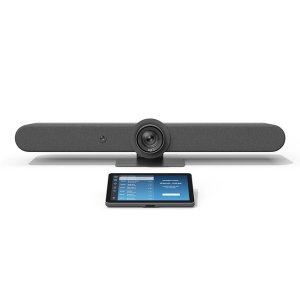
Logitech Rally Bar + TAP IP- Medium- Graphite

Logitech Rally Bar + TAP IP- Medium- Graphite e365 SuperStore are a premier authorised Logitech gold partner with Australian stock and warranty Logitech Rally bar are a Powerful All-in-one Video Conferencing Bar with Brilliant Optics and Automated PTZ. All-in-one Video Bar for Midsize Rooms. Simple to Set and Easy to Use. Only Quality Products. Trusted Australian Vendor. Friendly Customer Service. No Credit Card surcharge. Logitech Tap and Tap IP Compatibility Information  

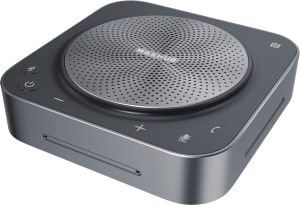
MaxHub Bluetooth Speakerphone UC BM35

MaxHub Bluetooth Speakerphone BM35 Unlock a new level of meeting clarity with the next-generation BM35 speakerphone. Crystal clear audio combines with a powerful pick-range to transform any small to mid-sized meeting space. Break free from the restrictions of wired devices with an agile, flexible solution that adapts as quickly as your team. 

In the home, the business office, or anywhere else, the BM35 is the ultimate part for clear conversations. Comes with 3 year warranty. Amplify Conference Quality with Superior Sound Portability and practicality come together in a powerful audio device, built for better meetings. The BM35 is optimized to keep human voices clear. Capturing every utterance in perfect detail, the BM35 empowers any team.

AVER CAM570 4K DUAL LENS PTZ AUDIO TRACKING CAMERA Stress FREE Installation

AVER CAM570 4K DUAL LENS PTZ AUDIO TRACKING CAMERA AVer CAM570 is a 4K dual lens camera with a 36X Total zoom PTZ camera and a second AI lens with 95˚FOV. Equipped with a built in microphone, CAM570 detects human voices up to 10M and offers audio tracking function. AI technology such as Smart Gallery and gesture control can capture every attendee up-close with premium video quality. 

Built-in Microphone Enables Audio Tracking Easily focus on active speaker with audio tracking mode and presentation mode. The camera will follow the speaker automatically or you can set up a preset point to focus on a specific area. The built in microphone picks up human voices up to 10M without being disturbed by a local speaker.

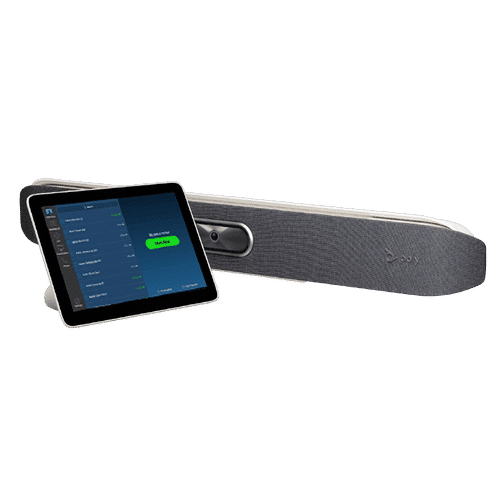
POLY Studio X50 & Poly TC8 4K Video Conf System W 3yr Poly Plus 24x7 Support

Poly studio X50

Poly Studio X50 with touch panel TC8 connects to Microsoft Teams and Zoom The Poly Studio X50 video bar delivers radical simplicity in a small, elegant package. In small- and medium-sized rooms, connect easily with whatever video collaboration software you may use. Experience full boardroom-quality audio, advanced camera capabilities, and quick wireless content—all in one sleek video bar. 

And say goodbye to unnecessary pucks, cords, and cables, along with the PC or Mac to drive the meeting, since the Poly Video OS runs the show. Easy to install, easy to manage. • Ideal for rooms of up to 8 participants • Surround everyone with the rich, legendary sound with stereo speakers that deliver immersive, room-filling audio • Dual monitor support ensures you have the ideal setup for room of many sizes • Be heard clearly with next generation microphone array

DTEN ME 27 All in One Zoom device

DTEN ME 27 All-in-One Personal Collaboration device for Zoom DTEN ME – the ideal solution for working from home Combining the technology in the DTEN ME with loom’s enterprise-quality software delivers the ideal solution for the home office. Simply login with your Zoom user account and create an instant office experience without any additional licenses. 

This solution integrates Zoom Meetings, phone calling, whiteboarding and annotation in a 27 multi-touch display built for the desktop. It is designed to keep your work­space clutter free and organized to deliver a professional meeting experience.

CommBox - Elegance XL Cart

CommBox – Elegance XL Cart Understatedly stylish fixed-height mobile stand with a pen shelf and designer hubless lockable castors. The cart suits CommBox screens up to 110″. Other features include 3″ heavy-duty locking castors and a handy pen and equipment shelf.

Maxhub v6 Collaboration Display - Maxhub C7530

Maxhub C5530

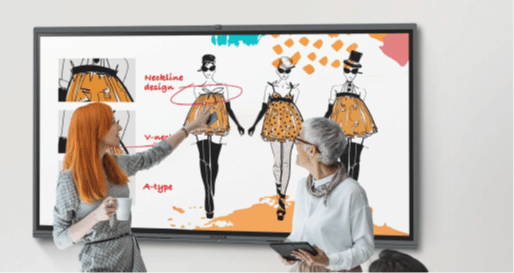
Maxhub v6 Collaboration Display – Maxhub C7530 Maxhub C7530 v6 Classic Series Maxhub C7530 The Maxhub C7530 – Integrating professional video conferencing, seamless screen-sharing, advanced whiteboard technology, and a brilliant audiovisual experience, is the ultimate corporate-collaboration assistant. 

Drive productive teamwork and increase organizational efficiency with this meeting-room must-have. Installation and Integration Australia Wide Total Solution, Minimal Setup – Maxhub C7530 A complete, seamless design fulfills every meeting requirement, including built-in camera, mic, and touch panel. Whether video conferencing or hosting a local discussion, it’s as easy as plugging in your power cable.

Cisco Webex 8875 IP Phone - Corded - Corded - Wi-Fi, Bluetooth - Desktop - Carbon Black - VoIP - IEEE 802.11a/b/g/n/ac - 2 x Network (RJ-45) - PoE Port

Cisco Webex 8875 IP Phone – Corded – Corded – Wi-Fi, Bluetooth – Desktop – Carbon Black – VoIP – IEEE 802.11a/b/g/n/ac – 2 x Network (RJ-45) – PoE Port CP-8875-K9= Webex 8875 IP Phone – Corded – Corded – Wi-Fi, Bluetooth – Desktop – Carbon Black Webex 8875 IP Phone – Corded – Corded – Wi-Fi, Bluetooth – Desktop – Carbon Black – VoIP – IEEE 802.11a/b/g/n/ac – 2 x Network (RJ-45) – PoE Ports Enjoy superior voice communications while retaining the convenience and user-friendliness over Internet Uses VoIP technology to transfer audio signals over the Internet while circumventing high toll charges by telephone companies

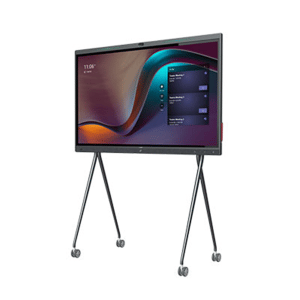
Yealink MeetingBoard 86 inch for MS Teams

Yealink MeetingBoard 86 inch Collaboration Display For Microsoft Teams e365 SuperStore are a premier authorised Yealink Platinum partner with Australian stock and warranty Simple to Set and Easy to Use. Only Quality Products. Trusted Australian Vendor, Many Payment options, Same Day Delivery, Friendly Customer Service. 

No Credit Card surcharge. (stand available separately) Unlock Creative Teamwork The Yealink Meeting Board collaboration display effectively facilitates powerful digital collaboration by combining everything in the room, from the computing unit to a wide 86-inch touchscreen display, 4K camera, microphones arrays, speakers, and built-in Microsoft Teams. The Android 10 OS and an Octa-core high-performance chipset offer maximum performance.

Facebook
Twitter
LinkedIn
Picture of e365 Superstore

e365 Superstore

e365 Superstore are experts in video conferencing equipment. We have completed thousands of projects over the last 25 years and we are passionate about virtual communications. Click here to find out more about our company.

Ultimate guide to Zoom-Microsoft Teams room solution.

Face-to-face interaction is critical in business communications but teams are becoming increasingly dispersed. The Video Conferencing systems on the market now are designed with smaller huddle rooms in mind

Our Team are

  • Highly experienced Unified Communications, Videoconferencing, Collaboration Solutions Specialized
  • Offer a consultative approach
  • Highest product and application knowledge
  • Totally technically proficient
  • Superior level of networking competency, service, support & customer satisfaction

Our Video/Audio/IP telephony/Unified Communications solutions include:

  • Cisco, Logitech, Crestron, Poly, Yealink  Video Conferencing endpoints for Meeting Rooms, Cloud, On-premise and Hybrid Solutions, Microsoft Teams, Zoom, Google meet.
  • Integrate your Boardroom solutions
  • Professional services, Managed Services.
  • Audio Visual solutions (Touch boards, Projectors, Trolleys etc.)

Please let me know if you would like one of our team to discuss with you and  provide the latest Communication solutions you and your organisation.

e365 Distribution October BIG Discounts

e365 Distribution has the latest BYOD Collaboration solutions for your Home Office, Huddle room and meeting rooms

Special pricing  is limited till 31st October

  1. Logitech Tap,Rally
  2. Poly Studio X30-X50
  3. Yealink MVC 800
  4. Cisco Room Kit Mini
  5. Crestron MX150 
  6. Headsets
  7. Smartboards from Hitachi, Maxhub ,Samsung, Commbox, Avocor,NEC,LG,Viewsonic & more
  8. Trolley’s, Home office furniture 
  9. Dten Smartboard & Videoconferencing.


e365 provide a Installation, Support and help desk.

 e365 has the most brands in Australia and most are in stock ready for delivery Australia-Wide

Black Friday sale

Black Friday discounts have started early at e365 Distribution online Collaboration web site www.e365.com.au  

 If you are looking for some big discounts for

  • LED’s screens
  • Smartboards
  • Videoconferencing solutions (Cisco, Poly, Crestron, Zoom, MS Teams )
  • Headsets
  • VoIP phones
  • Cloud Video/Voice services
  • Conference phones
  • Projectors
  • LED trolleys etc.

e365 has the most brands in Australia and most are in stock ready for delivery Australia-Wide

(Black Friday-Special pricing ends close of business 29/11/2019)

eVideo connects Koppen Developments

eVideo connects the latest Cisco Room kit systems for Koppen Constructions. Their staff can now have visual and audio collaboration between North Queensland and Central Queensland offices as well customers.

Sign Up For Our Newsletter to Receive Regular Specials!