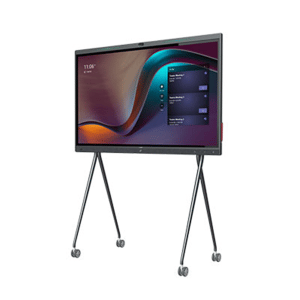
smart boards

Choosing a Video Conferencing Equipment Bundle

A meeting room can have a premium display, fast network connection, and a capable conferencing platform yet still deliver a poor experience if the camera misses half the table or the microphone picks up more air-conditioning than conversation. A properly specified video conferencing equipment bundle solves those gaps by bringing the core devices together as one compatible room solution.

For IT managers and procurement teams, the appeal is not simply convenience. Bundling can reduce compatibility risk, simplify purchasing, standardize the user experience across sites, and make support far easier after deployment. The right bundle also avoids a common expensive mistake: buying consumer-grade peripherals that work in a test call but fail under the demands of a busy boardroom, hybrid classroom, or shared meeting space.

What a Video Conferencing Equipment Bundle Should Include

At its most practical, a video conferencing equipment bundle combines the camera, audio hardware, compute or room controller, and display connection required to run meetings professionally. The exact configuration depends on room size, meeting platform, and how people use the space.

A small huddle room may only require an all-in-one video bar, a display, and a single USB connection to a laptop. A dedicated Microsoft Teams Rooms or Zoom Rooms space is more likely to need an appliance or compute unit, touch controller, camera, microphones, speakers, and commercial display. Larger rooms can add expansion microphones, a separate PTZ camera, a second display, wireless content sharing, and professional installation.

The best bundles are designed around a complete signal path. Participants need to be seen, heard, and able to share content without searching for cables, changing display inputs, or calling IT before every meeting. That is why the lowest initial hardware price is not always the best commercial outcome. A solution that reduces failed meetings, support tickets, and replacement purchases can offer much better long-term value.

Start With the Room, Not the Product Page

The room should drive the specification. Before comparing cameras or platforms, establish the table layout, room dimensions, typical attendee count, display location, lighting conditions, and whether users join from a dedicated room account or their own laptops.

Small rooms and huddle spaces

For spaces seating two to six people, an integrated video bar is often the most efficient option. These devices combine a wide-angle camera, microphones, and speakers in a compact unit. They reduce cabling and present a clean setup for rooms where the farthest participant is only a few feet from the device.

However, wide-angle does not automatically mean better. Extremely wide lenses can make faces at the end of a long table look distant, while low camera placement can create unflattering sightlines. Choose a bundle with framing features suited to the room and place the bar at an appropriate height below or above the display.

Medium conference rooms

Rooms seating six to 12 people often benefit from a more capable video bar or a modular system with a dedicated camera and table or ceiling microphones. Audio coverage becomes the critical factor here. The system needs to capture soft-spoken participants at the far end of the room while controlling echo and background noise.

For these rooms, consider whether the table shape, glass walls, and hard surfaces will affect acoustics. Expansion microphones may be a better investment than a higher-resolution camera if remote participants currently struggle to follow the discussion.

Boardrooms, training rooms, and divisible spaces

Large rooms demand a more deliberate design. A PTZ camera can frame speakers accurately from a distance, while multiple microphones or professionally installed audio coverage ensures every voice is captured. Dual displays are often worthwhile where teams need to view remote participants and shared content simultaneously.

This is also where installation and integration support matter most. Cable pathways, display mounting, network readiness, control systems, and room scheduling panels can all affect the final result. A bundle for a boardroom should be treated as a workplace technology project, not a carton of peripherals.

Choose the Platform Before Selecting the Hardware

A bundle should support the platform your organization actually uses, whether that is Microsoft Teams, Zoom, Google Meet, or a mixed environment. Platform-certified hardware gives buyers greater confidence that controls, updates, account management, and call features will work as intended.

Dedicated room systems are ideal for organizations that want walk-in, tap-to-join meetings. They provide a consistent experience and can be centrally managed across multiple locations. The trade-off is that they require room licenses, network configuration, and a clear ownership model for updates and support.

USB-based bundles remain a strong choice for flexible spaces and businesses where users host meetings from laptops. They can cost less and work with many conferencing applications, but the user experience depends on each person connecting their device correctly. For a high-turnover meeting room, that additional friction can quickly become a productivity issue.

Bring-your-own-device rooms can also be paired with wireless content sharing or a one-cable connection hub. This approach suits organizations with multiple conferencing platforms, but it should be tested against security policies, guest access requirements, and the range of laptops employees use.

Prioritize Audio Before Camera Resolution

Buyers often lead with 4K camera requirements. High resolution has value, particularly in larger rooms, but clear audio is usually the difference between a productive hybrid meeting and one where remote attendees disengage.

Look for microphones designed for the room’s coverage area and for audio processing features that manage echo, noise, and competing voices. In a small room, an integrated bar may be enough. In a long boardroom, microphone expansion and speaker placement should be assessed as part of the bundle, not added only after complaints begin.

Camera selection should then reflect room geometry. Consider field of view, optical versus digital zoom, framing modes, privacy shutters, and the ability to show a presenter at a whiteboard. A PTZ camera is useful when the camera must reach across a large room. In compact spaces, it may be unnecessary complexity compared with an intelligent video bar.

Standardization Makes Multi-Site Procurement Easier

Organizations with several offices, campuses, or meeting room types gain real value from standardizing their video conferencing equipment bundles. A consistent camera and controller experience reduces training needs. IT teams can hold fewer spare parts, document fewer support processes, and manage firmware updates more predictably.

Standardization does not mean forcing one bundle into every room. A better approach is to establish two or three approved room designs: huddle, standard meeting room, and large boardroom or training space. Each design can use the same platform and operating model while scaling camera, audio, and display requirements to fit the environment.

When comparing suppliers, ask whether they can quote these designs as repeatable packages. The ability to source recognized brands, maintain configuration consistency, and coordinate delivery across locations can remove a major procurement burden.

Check the Details That Cause Deployment Delays

A bundle can look complete on paper but still miss components needed for a working installation. Confirm display mounts, cables, adapters, network requirements, power access, and any required licenses or room accounts. If the system will be installed in a wall-mounted display area or table box, cable lengths and equipment placement need to be planned before the order is placed.

Also review warranty coverage, local support options, and the process for technical troubleshooting. For commercial environments, fast replacement pathways and qualified assistance are often more valuable than saving a small amount on an unsupported device.

For organizations buying in Australia, e365 SuperStore can support the process with competitive commercial quotes, recognized conferencing brands, Australia-wide delivery, and technical guidance for room-based deployments. That combination is particularly useful when procurement needs a single source for hardware supply and installation coordination.

Buy for the Meeting Experience You Want to Repeat

The right bundle is not the one with the longest specification sheet. It is the one that lets a first-time user enter a room, start a meeting quickly, hear every participant, share content clearly, and leave without creating a support ticket.

Specify the room experience first, match the bundle to the conferencing platform and acoustic needs, then validate the practical installation details. That process gives your teams a room they will choose to use, rather than another space with expensive technology sitting idle.

Large Format Commercial Display Buying Guide

A display that looks impressive on a showroom floor can fail quickly in a bright lobby, a busy classroom, or a customer-facing retail window. A large format commercial display is built for these environments, with higher brightness, longer operating ratings, commercial-grade connectivity, and management features that consumer TVs typically do not offer.

For IT teams, facilities managers, and procurement leaders, the decision is not simply about buying the largest screen within budget. The right display must suit the viewing distance, content type, ambient light, mounting location, operating hours, and the systems already deployed across the organization. Get those factors right early and the result is a reliable communications asset rather than an ongoing support issue.

What Makes a Large Format Commercial Display Different?

Commercial displays are designed for professional use. They are intended to run longer hours, integrate with signage players and control systems, and deliver a consistent image in demanding spaces. Many models are rated for 16/7 or 24/7 operation, meaning they can operate for 16 or 24 hours each day, seven days a week. That rating matters for reception areas, transport hubs, retail environments, operations centers, and digital menu boards.

A consumer television may appear to offer a better value at first glance, especially when screen size is the main comparison. However, it may lack the thermal design, warranty coverage, scheduling tools, landscape and portrait support, and remote management capabilities required for business deployment. It may also be unsuitable for long operating cycles or installation in a commercial setting.

Commercial models commonly provide professional inputs, including HDMI, USB, LAN, and sometimes DisplayPort. Many support system-on-chip signage platforms, allowing content to run directly on the screen without a separate media player. For larger estates, this can reduce hardware, cabling, and maintenance requirements. The trade-off is that an external player can provide more flexible content management and stronger processing for complex, interactive, or data-driven signage.

Start With the Space, Not the Screen Size

Screen size should follow the room and viewing task. A 55-inch display can work well in a small meeting room, breakout space, or retail aisle where viewers are close to the content. A 75-inch, 86-inch, or 98-inch display is often more appropriate for boardrooms, training rooms, lecture spaces, and open collaboration zones.

The key question is what people need to read. If the screen will show large promotional visuals, viewers can stand farther away. If it must display schedules, dashboards, spreadsheets, room availability, or detailed wayfinding, text must remain legible at the intended viewing distance. This is why a display selected for video playback may be inadequate for operations data or presentations.

Mounting position also changes the calculation. A screen installed high above a reception desk or in a warehouse may need to be larger than one installed at eye level. Before requesting a quote, document the approximate viewing distance, ceiling height, wall width, nearby windows, and whether portrait orientation is needed. Those details make it easier to specify the right commercial display the first time.

Resolution: 4K Is Usually the Sensible Standard

For most professional applications, 4K resolution is the right baseline. It gives presentation content, video, digital signage, and fine text enough detail to remain clear on larger screens. It is particularly valuable in meeting rooms where users share documents, diagrams, and application windows.

There are exceptions. A full HD display may still be practical for basic signage viewed from a distance or for cost-sensitive deployments where content is simple. But for a new large-format installation, 4K is generally the stronger long-term choice. It reduces the chance that a display will feel outdated as content standards and workplace expectations change.

Brightness Determines Whether Content Gets Seen

Brightness is often the most underestimated specification in commercial display procurement. A display can have excellent resolution and color performance yet still look washed out when installed opposite windows, under strong retail lighting, or in a sunlit lobby.

Brightness is measured in nits. Around 350 to 500 nits can be suitable for many indoor meeting rooms, classrooms, and controlled office spaces. Higher-brightness displays, often 700 nits and above, are better suited to brightly lit public areas and window-facing signage. Semi-outdoor and direct-sunlight applications require specialized solutions beyond standard indoor commercial screens.

Higher brightness comes with a cost. It can increase initial purchase price and energy consumption, and it may not be necessary in a dim boardroom. Specify for the environment rather than choosing the highest number available. A site assessment is especially worthwhile when multiple windows, reflective surfaces, or changing daylight conditions are involved.

Match Operating Hours to the Business Use Case

A display used for two hours of daily presentations has different requirements from one running digital signage from early morning until late evening. Operating-hour ratings are not marketing details. They affect reliability, warranty suitability, and expected service life.

A 16/7 display is often a sound choice for offices, education environments, and retail locations with defined opening hours. A 24/7 display is the stronger fit for critical communications, security and operations monitoring, public information, and venues that need continuous uptime. If screens will display business-critical messaging, consider redundancy planning as well. Keeping a compatible spare unit or agreeing on a rapid replacement process can reduce disruption.

Plan Connectivity, Content, and Control Before Purchase

The screen is only one part of the solution. Content must be created, distributed, updated, and monitored. In a single location, a USB-based playback setup may be enough for simple messaging. Across multiple sites, a cloud-managed digital signage platform or centralized content management system is far more practical.

Confirm how each display will connect to the network and whether the organization permits wireless access, wired LAN, or both. Check that the signage player, conferencing platform, or room-control processor supports the required resolution and refresh rate. For meeting rooms, make sure the display works with the selected conferencing camera, audio system, and USB or HDMI content-sharing method.

Remote management deserves attention in multi-site deployments. The ability to schedule power, monitor screen status, adjust settings, and push updates can substantially reduce truck rolls and on-site support time. Features vary between brands and display ranges, so they should be compared against the organization’s actual operational model rather than treated as a standard inclusion.

Touchscreen or Standard Display?

An interactive touchscreen is ideal when people need to annotate content, control applications, teach, train, or collaborate directly at the screen. It is a strong choice for classrooms, training rooms, agile project spaces, and some executive meeting rooms. It is not automatically the best fit for public signage, reception displays, or high-mounted screens where touch is unnecessary or inaccessible.

Touch capability adds cost and can change installation requirements. Interactive displays may need a mobile cart, adjustable wall mount, front-facing ports, and a room PC or built-in operating system. Standard commercial displays remain the more efficient option for passive communications, video walls, menu boards, and corporate signage.

Do Not Overlook Installation Details

A premium display installed with the wrong bracket, poor cable management, or inadequate ventilation will not deliver a premium result. Confirm the VESA mounting pattern, display weight, wall construction, power location, network access, and cable pathways before hardware arrives. Large screens may need two or more installers, particularly in tight spaces or on elevated mounts.

Portrait installation needs extra care. Not every commercial display supports portrait operation, and models that do may have specific orientation rules to protect heat dissipation and panel life. Video wall projects introduce further requirements, including narrow bezels, calibration, content layout, and service access behind the screens.

For business buyers, professional installation and integration can be more cost-effective than managing separate trades, unplanned site changes, and post-install troubleshooting. e365 SuperStore can help organizations source the display, related AV hardware, and technical support required to move from product selection to a working commercial deployment.

Build a Specification That Procurement Can Defend

A clear specification creates fairer quotes and avoids comparing unlike products. It should state the required screen size range, resolution, brightness target, operating-hour rating, orientation, inputs, network requirements, mount type, warranty expectations, and installation scope. If the project includes multiple sites, add staging, asset labeling, delivery sequencing, and remote management requirements.

Avoid selecting solely on panel price. A lower-cost screen may require external hardware, offer shorter commercial coverage, or create more support work over its life. Conversely, a premium 24/7 high-brightness unit may be unnecessary in a controlled conference room. The best value is the solution that meets the operational need without paying for specifications the site will never use.

A well-chosen display should disappear into the workday. People should see the message, presentation, schedule, or lesson clearly, while IT and facilities teams get dependable performance and fewer avoidable service calls. Start with the environment and the operating model, then choose the screen that can keep up with both.

Digital Signage Display for Retail That Sells

A retailer can spend thousands on foot traffic and still lose the sale at the shelf. That is where a digital signage display for retail earns its keep. When the right screen is in the right place with the right content, it does more than look modern – it moves attention, supports staff, and helps shoppers make faster decisions.

Retail buyers already know the pressure points. Promotions change quickly. Product availability shifts. Store teams are stretched. Printed signage is slow to update and often inconsistent across locations. Digital signage gives you control, speed, and a cleaner brand presentation, but only if you buy for the environment, not just the spec sheet.

What a digital signage display for retail actually needs to do

A retail display is not just a TV mounted on a wall. In commercial environments, screens run longer hours, handle brighter spaces, and need better reliability. A consumer panel might look fine on day one, but if it is running all day near a storefront window, the cracks show quickly – uneven brightness, poor thermal performance, limited scheduling, and short lifecycle support.

A proper digital signage display for retail should be selected around three things: visibility, manageability, and durability. Visibility means customers can actually read the message under store lighting and from the expected viewing distance. Manageability means your team can update content without sending someone to every site with a USB stick. Durability means the panel is built for extended daily operation and backed by commercial support.

That sounds straightforward, but trade-offs start immediately. Higher brightness improves readability but raises cost. Larger screens create impact but need the right mounting, power, and viewing angle. An advanced content platform adds control, yet it also introduces subscription cost and deployment complexity. The best choice is rarely the biggest or the cheapest. It is the one that aligns with your store format and operational model.

Start with the retail environment, not the screen

Too many signage projects begin with display size. The smarter approach is to map the use case first. A window-facing promotion screen has different requirements than an endcap display, a menu board, or a queue management screen at checkout.

If the display sits near direct sunlight, brightness matters more than resolution. If it is mounted high above shoppers, wide viewing angles and legible typography matter more than ultra-fine detail. If the screen supports weekly campaigns across multiple branches, remote management matters more than onboard media playback.

Store layout should also influence your buying decision. A narrow aisle may benefit from a stretched display or portrait orientation. A flagship store may justify videowalls or large-format impact screens. A chain with dozens of locations may prioritize easy standardization so procurement, support, and replacement are simpler over time.

This is where commercial buyers usually separate a one-off purchase from a scalable rollout. If your estate is growing, standardizing the same mounting pattern, media player approach, CMS, and display family can save far more over three years than shaving a small amount off unit cost upfront.

The specs that matter most

Brightness is one of the first numbers worth paying attention to. In bright retail environments, especially front-of-store or window-facing applications, low-brightness screens can wash out fast. For internal signage in controlled lighting, moderate brightness may be enough. For high-ambient-light areas, you need a display built to stay visible without forcing customers to squint.

Operating hours matter just as much. Some retail sites need screens running 16 hours a day. Others may need near-continuous operation. Commercial displays are designed around these use cases, and the rating matters because it affects heat handling, warranty expectations, and long-term reliability.

Resolution is important, but it is often overvalued. On a modest screen viewed from several feet away, Full HD may be perfectly adequate. On larger formats, close viewing distances, or multi-panel layouts, 4K becomes more relevant. The right answer depends on content design and distance, not marketing language.

Connectivity should be reviewed with your deployment plan in mind. Integrated system-on-chip platforms can simplify rollout for basic signage. External media players offer more flexibility, more processing headroom, and easier replacement if the CMS strategy changes later. There is no universal winner here. Simplicity favors integrated. Scalability and customization often favor external players.

Content is what makes the hardware pay off

The display gets attention, but the content closes the gap between interest and action. Many retail signage projects underperform because the hardware is fine and the messaging is not. Screens packed with small text, generic lifestyle footage, or stale promotions become background noise quickly.

Good retail signage content is short, clear, and timed to the buying moment. Near the entrance, it should create interest and direct people deeper into the store. At the shelf, it should reinforce product value, pricing, or differentiation. At checkout, it can support impulse add-ons, loyalty messaging, or service offers.

There is also a strong case for operational content. A digital sign can reduce repetitive staff questions by highlighting store services, pickup instructions, promotions, opening hours, or product categories. In larger environments, wayfinding and queue communication can improve customer flow as much as sales messaging improves conversion.

If you manage multiple locations, the content management system becomes a business tool, not just a marketing add-on. You want scheduling, user permissions, proof of playback, and location-based targeting. A chain that can push campaigns by region, daypart, or inventory status has a real advantage over static signage.

Where retail buyers often overspend or underspec

The most common mistake is buying a low-cost screen that is not meant for commercial duty. It saves money at purchase, then creates support issues, replacement costs, and inconsistent presentation later. The other common mistake is overbuilding the solution for a simple use case. Not every store needs an enterprise-grade networked signage ecosystem with custom integrations.

The right balance comes from understanding total cost of ownership. That includes the display, mount, media player if needed, CMS licensing, installation, power, support, and replacement planning. It also includes the labor saved by updating promotions remotely instead of printing and dispatching new materials.

Installation quality is another area where shortcuts become expensive. Poor mount selection, weak cable management, bad viewing angles, and inaccessible power points all reduce the value of the screen. For multi-site retail, consistency matters. A signage project should be easy for store teams to live with, not just easy to approve on paper.

Choosing the right partner matters

Retail signage is one of those categories where buyers benefit from working with a specialist rather than treating it like a commodity display purchase. Product breadth matters because different store environments call for different display classes, brightness levels, and form factors. Technical guidance matters because compatibility between screens, players, mounts, and CMS platforms affects the rollout more than most procurement teams expect.

For business buyers, the right supplier should help narrow the field quickly. They should be able to advise on commercial display ranges, recommend the right size and orientation, explain whether an integrated player is sufficient, and clarify what installation support is required. They should also understand how signage fits into the broader AV and workplace technology stack, especially if your retail business is standardizing screens across customer-facing and back-of-house use cases.

That is where a specialist commercial retailer such as e365 SuperStore has an advantage. The value is not just product access. It is the ability to source recognized brands, support quote-driven procurement, assist with deployment planning, and keep the project commercially efficient from selection through rollout.

How to decide with confidence

If you are evaluating a digital signage display for retail, start by answering a few operational questions. Where will the screen be installed, and what lighting conditions will it face? How many hours a day will it run? Will content be updated locally or remotely? Is this a one-store installation or part of a broader rollout? What business outcome matters most – promotion visibility, wayfinding, menu presentation, queue management, or brand impact?

Once those answers are clear, the shortlist becomes easier. You can match brightness to environment, size to distance, platform to content workflow, and budget to expected lifecycle. That approach avoids the two outcomes retail teams want to avoid most: buying a screen that looks cheap in six months, or paying for enterprise features that never get used.

Retail signage works best when it is treated as part of the sales floor, not an afterthought mounted above it. The screen should earn its place every day by informing faster, selling better, and making store operations easier for the people who run them.

Interactive Touchscreen Display for Classroom

A classroom display fails fast when it looks great on a spec sheet but slows teachers down in real use. That is why choosing the right interactive touchscreen display for classroom environments is less about flashy features and more about reliability, usability, and long-term support. Schools need hardware that works every day, across different grade levels, with minimal training and no surprises during instruction.

For education buyers, this is not a consumer electronics decision. It is a procurement, deployment, and support decision. The display has to fit the room, integrate with existing devices, support multiple teaching styles, and hold up under constant use. If you are buying for one classroom, a campus refresh, or a district-wide standardization project, the details matter.

What an interactive touchscreen display for classroom use should actually solve

At its best, an interactive touchscreen display should remove friction from teaching. Teachers should be able to walk in, start a lesson quickly, annotate over content, switch between sources, and keep students engaged without wasting time on setup. The display should support direct interaction, not force staff to work around clunky menus, lag, or inconsistent input.

That means the buying criteria go beyond image quality. Brightness matters, but so does touch accuracy. Built-in Android can be useful, but only if the interface is easy to navigate and the processor keeps up with real classroom use. A wide range of ports looks good in a product listing, but the real question is whether teachers can connect laptops, document cameras, and classroom audio without adapters scattered across the room.

This is where many school purchases go wrong. A lower upfront price can look attractive, but if the display creates support tickets, requires extra accessories, or frustrates staff, the total cost rises quickly.

Size, brightness, and visibility in real classrooms

Screen size should be driven by room depth and seating layout, not guesswork. A panel that is too small makes fine text hard to read from the back row. One that is oversized for the wall or mounting position can create sightline issues and make touch use awkward for younger students.

In most classrooms, larger formats are preferred because they improve readability for mixed media, whiteboarding, and shared content. But size alone is not enough. Brightness needs to be strong enough for rooms with ambient light, especially where blackout control is limited. Anti-glare glass also makes a major difference. On paper, two displays may seem similar. In actual classrooms, reflections and poor contrast can make one much harder to use.

Resolution is usually straightforward. 4K has become the expected standard, and for most schools, it provides the clarity needed for text, diagrams, and video content. The bigger consideration is whether the display processing keeps content sharp and responsive across different inputs.

Touch performance matters more than feature overload

The main reason schools buy interactive panels is touch collaboration. If touch response is inconsistent, the display misses the point. Teachers need writing that feels natural, with minimal lag and reliable palm rejection. Students need a panel that responds accurately whether they are dragging objects, solving problems, or participating in group activities.

Multi-touch capability is valuable, especially in elementary and collaborative learning settings, but it should not be treated as a box-checking exercise. More touch points are useful only if the software and classroom workflow make use of them. In some environments, stable writing performance and easy annotation tools matter far more than extreme touch counts.

Stylus design is another practical consideration. Some schools prefer dual-pen systems with different tip sizes or color recognition. Others want passive pens that do not need charging or pairing. It depends on how heavily the panel will be used for whiteboarding versus content control. The simpler the experience, the easier the adoption.

Software and platform compatibility can make or break rollout

An interactive touchscreen display for classroom deployment has to fit into the school’s existing technology environment. That includes Windows devices, ChromeOS devices, teacher laptops, classroom PCs, cloud storage, and common presentation tools. If the panel only performs well in a narrow ecosystem, it creates friction immediately.

Built-in whiteboarding software is useful, but buyers should look closely at what teachers will actually use. Can lessons be saved easily? Is annotation possible over any source? Can content be shared to student devices or exported without extra steps? Does the display support wireless casting reliably from different operating systems?

Device management is just as important for larger rollouts. IT teams need remote management options, firmware update control, and visibility across multiple rooms or campuses. A panel may look appealing in a demo, but if it is difficult to manage at scale, that becomes a support burden.

This is also where commercial-grade sourcing matters. Working with a specialist supplier such as e365 SuperStore gives schools access to broader brand choice, integration support, and faster guidance on compatibility before purchase orders are finalized.

Audio, connectivity, and classroom workflow

Built-in speakers are often treated as an afterthought, but in classrooms they affect daily usability. If audio is weak, distorted, or uneven across the room, teachers end up adding external devices later. For many standard classrooms, integrated speakers may be enough. In larger rooms, lecture spaces, or hybrid learning setups, external audio should be considered from the start.

Connectivity should support the way teachers actually teach. HDMI, USB-C, USB touch, front-facing ports, and network connectivity all make a difference. USB-C is especially useful because it can simplify laptop connection for video, touch, and sometimes charging through a single cable. That sounds minor until you are outfitting dozens of rooms and trying to reduce training and cable clutter.

Front-access ports are another small feature with big operational value. Teachers should not have to reach behind a wall-mounted display every time they need to connect a device. The same goes for physical controls, input switching, and source labeling. If the hardware is intuitive, training time drops.

Durability and serviceability are not optional

Classrooms are high-contact environments. Displays are touched constantly, cleaned frequently, and expected to perform all day. Commercial-grade construction matters because education deployment is about lifespan, not showroom appeal.

Look at glass durability, surface treatment, thermal design, and warranty support. A display that runs hot, collects fingerprints excessively, or becomes difficult to clean will create issues over time. Schools should also ask practical service questions. What does warranty support look like? Are replacement parts and technical assistance readily available? How quickly can issues be resolved if a classroom goes down?

This is where buyers should think beyond single-unit pricing. A slightly cheaper panel with weaker support can become the expensive option once downtime and replacement logistics are factored in.

Mounting, installation, and room planning

The display is only one part of the classroom solution. Mount selection, wall conditions, power placement, cable routing, and user height all affect the final result. A panel that is installed too high reduces accessibility. One placed without proper cable management can look untidy and become harder to maintain.

Some schools benefit from fixed wall mounts. Others need mobile carts for flexible spaces or shared use. There is no universal answer. Elementary classrooms may require lower positioning and easier front access, while secondary schools may prioritize permanence and cleaner infrastructure.

Procurement teams should also plan for peripherals early. Visualizers, classroom audio, video bars, OPS computing modules, and wireless presentation systems can all be part of the same buying decision. Handling those choices upfront usually delivers a better result than trying to patch the room later.

How buyers should compare options

The strongest comparisons balance product features with support and deployment value. Start with teaching needs, then map them to hardware requirements. A basic classroom may need dependable touch, strong brightness, and easy wireless sharing. A more advanced room may require integrated conferencing, expanded I/O, and centralized device management.

Brand reputation matters, but so does consistency across the range. If a district plans to standardize, it is worth checking whether the same platform is available in multiple sizes with a similar interface. Standardization can reduce training time, simplify spares planning, and make support more predictable.

Price still matters, of course. But commercial buyers should evaluate total project value, including warranty, installation, freight, accessories, and post-sales support. The cheapest line item is not always the best purchasing decision.

The right display is the one teachers keep using

The best classroom technology earns its place by being used every day without drama. Teachers should not need a workaround to start class, and IT teams should not be fielding constant troubleshooting requests. A well-chosen interactive display supports instruction quietly and consistently, which is exactly what schools need from a long-term investment.

If you are planning a refresh or specifying new classroom AV, take the time to assess the room, the users, and the support model together. The right choice is not just a better screen. It is a better operating standard for the entire learning space.

NEW Dten available in 55-inch and 75-inch models

DTEN D7X 55-inch and 75-inch models

The all-in-one DTEN D7X transforms every meeting room into a modern workspace. Its powerful deep learning capabilities and AI features enable it to ensure great video collaboration experiences for your team, even without any user intervention. The D7X is also unique because of its enhanced compute capabilities, which enable it to perform multiple tasks at the same time and make sure that they are all run smoothly and efficiently.

With DTEN D7X, you can quickly connect any laptop to a single USB-C cable and start your video meeting. DTEN D7X features upgraded speakers, camera and microphones to create an enterprise ready professional meeting experience. It comes with Zoom and Microsoft Teams (via a free software download) so that you can join Zoom or Microsoft Teams calls on demand.

Listen up. Hear everything crystal clear with the new DTEN D7X 75″, a flexible, interactive display that’s as versatile as it is powerful. With state-of-the-art AI technology, it works with your team to optimize sound so each person can be heard, even in larger rooms like boardrooms. The upgraded speaker system features four times more sound and four new microphones ensure your quieter voices are picked up loud and clear.

The Future of Work

The Future of Work

The Future of Work | Have you got the best videoconferencing solution?
The world has changed. We’ve never used so much video, at home and at work. But in the rush to get teams working remotely, have you ended up with the best solution?

As hybrid work transforms into anywhere work, collaboration and employee experience goals continue to evolve. Work and learning spaces are changing to meet team expectations, and your technology must keep pace, with equal attention given to remote and on-site experiences. In short, we need to make anywhere work more
human-centric.

We have insights into strengthening the human experience in the workplace, including:

  • Our human-centric workplace how-to guide
  • Immersive spaces, platform interoperability, and VR design
  • In-person collaboration and events case study
  • Hybrid learning environments
  • Experience technology that moves the world
  • Technology partner solutions

Latest April Product Releases (Videoconferencing Equipment)

Latest April Product Releases (Videoconferencing Equipment)

Picture of e365 Superstore

e365 Superstore

Latest Product Announcements

The videoconferencing industry has grown exponentially and with numerous tools coming out every month, this will only continue to improve. We have compiled a list of the most useful videoconferencing equipment out there this month. 

Overview

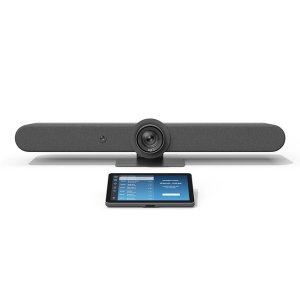
Logitech Rally Bar + TAP IP- Medium- Graphite

Logitech Rally Bar + TAP IP- Medium- Graphite e365 SuperStore are a premier authorised Logitech gold partner with Australian stock and warranty Logitech Rally bar are a Powerful All-in-one Video Conferencing Bar with Brilliant Optics and Automated PTZ. All-in-one Video Bar for Midsize Rooms. Simple to Set and Easy to Use. Only Quality Products. Trusted Australian Vendor. Friendly Customer Service. No Credit Card surcharge. Logitech Tap and Tap IP Compatibility Information  

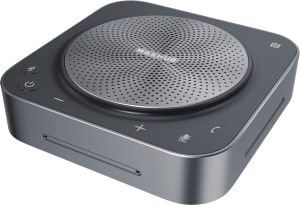
MaxHub Bluetooth Speakerphone UC BM35

MaxHub Bluetooth Speakerphone BM35 Unlock a new level of meeting clarity with the next-generation BM35 speakerphone. Crystal clear audio combines with a powerful pick-range to transform any small to mid-sized meeting space. Break free from the restrictions of wired devices with an agile, flexible solution that adapts as quickly as your team. 

In the home, the business office, or anywhere else, the BM35 is the ultimate part for clear conversations. Comes with 3 year warranty. Amplify Conference Quality with Superior Sound Portability and practicality come together in a powerful audio device, built for better meetings. The BM35 is optimized to keep human voices clear. Capturing every utterance in perfect detail, the BM35 empowers any team.

AVER CAM570 4K DUAL LENS PTZ AUDIO TRACKING CAMERA Stress FREE Installation

AVER CAM570 4K DUAL LENS PTZ AUDIO TRACKING CAMERA AVer CAM570 is a 4K dual lens camera with a 36X Total zoom PTZ camera and a second AI lens with 95˚FOV. Equipped with a built in microphone, CAM570 detects human voices up to 10M and offers audio tracking function. AI technology such as Smart Gallery and gesture control can capture every attendee up-close with premium video quality. 

Built-in Microphone Enables Audio Tracking Easily focus on active speaker with audio tracking mode and presentation mode. The camera will follow the speaker automatically or you can set up a preset point to focus on a specific area. The built in microphone picks up human voices up to 10M without being disturbed by a local speaker.

POLY Studio X50 & Poly TC8 4K Video Conf System W 3yr Poly Plus 24x7 Support

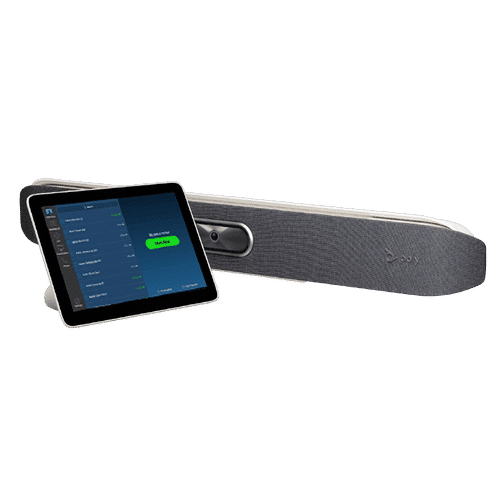
Poly studio X50

Poly Studio X50 with touch panel TC8 connects to Microsoft Teams and Zoom The Poly Studio X50 video bar delivers radical simplicity in a small, elegant package. In small- and medium-sized rooms, connect easily with whatever video collaboration software you may use. Experience full boardroom-quality audio, advanced camera capabilities, and quick wireless content—all in one sleek video bar. 

And say goodbye to unnecessary pucks, cords, and cables, along with the PC or Mac to drive the meeting, since the Poly Video OS runs the show. Easy to install, easy to manage. • Ideal for rooms of up to 8 participants • Surround everyone with the rich, legendary sound with stereo speakers that deliver immersive, room-filling audio • Dual monitor support ensures you have the ideal setup for room of many sizes • Be heard clearly with next generation microphone array

DTEN ME 27 All in One Zoom device

DTEN ME 27 All-in-One Personal Collaboration device for Zoom DTEN ME – the ideal solution for working from home Combining the technology in the DTEN ME with loom’s enterprise-quality software delivers the ideal solution for the home office. Simply login with your Zoom user account and create an instant office experience without any additional licenses. 

This solution integrates Zoom Meetings, phone calling, whiteboarding and annotation in a 27 multi-touch display built for the desktop. It is designed to keep your work­space clutter free and organized to deliver a professional meeting experience.

CommBox - Elegance XL Cart

CommBox – Elegance XL Cart Understatedly stylish fixed-height mobile stand with a pen shelf and designer hubless lockable castors. The cart suits CommBox screens up to 110″. Other features include 3″ heavy-duty locking castors and a handy pen and equipment shelf.

Maxhub v6 Collaboration Display - Maxhub C7530

Maxhub C5530

Maxhub v6 Collaboration Display – Maxhub C7530 Maxhub C7530 v6 Classic Series Maxhub C7530 The Maxhub C7530 – Integrating professional video conferencing, seamless screen-sharing, advanced whiteboard technology, and a brilliant audiovisual experience, is the ultimate corporate-collaboration assistant. 

Drive productive teamwork and increase organizational efficiency with this meeting-room must-have. Installation and Integration Australia Wide Total Solution, Minimal Setup – Maxhub C7530 A complete, seamless design fulfills every meeting requirement, including built-in camera, mic, and touch panel. Whether video conferencing or hosting a local discussion, it’s as easy as plugging in your power cable.

Cisco Webex 8875 IP Phone - Corded - Corded - Wi-Fi, Bluetooth - Desktop - Carbon Black - VoIP - IEEE 802.11a/b/g/n/ac - 2 x Network (RJ-45) - PoE Port

Cisco Webex 8875 IP Phone – Corded – Corded – Wi-Fi, Bluetooth – Desktop – Carbon Black – VoIP – IEEE 802.11a/b/g/n/ac – 2 x Network (RJ-45) – PoE Port CP-8875-K9= Webex 8875 IP Phone – Corded – Corded – Wi-Fi, Bluetooth – Desktop – Carbon Black Webex 8875 IP Phone – Corded – Corded – Wi-Fi, Bluetooth – Desktop – Carbon Black – VoIP – IEEE 802.11a/b/g/n/ac – 2 x Network (RJ-45) – PoE Ports Enjoy superior voice communications while retaining the convenience and user-friendliness over Internet Uses VoIP technology to transfer audio signals over the Internet while circumventing high toll charges by telephone companies

Yealink MeetingBoard 86 inch for MS Teams

Yealink MeetingBoard 86 inch Collaboration Display For Microsoft Teams e365 SuperStore are a premier authorised Yealink Platinum partner with Australian stock and warranty Simple to Set and Easy to Use. Only Quality Products. Trusted Australian Vendor, Many Payment options, Same Day Delivery, Friendly Customer Service. 

No Credit Card surcharge. (stand available separately) Unlock Creative Teamwork The Yealink Meeting Board collaboration display effectively facilitates powerful digital collaboration by combining everything in the room, from the computing unit to a wide 86-inch touchscreen display, 4K camera, microphones arrays, speakers, and built-in Microsoft Teams. The Android 10 OS and an Octa-core high-performance chipset offer maximum performance.

Facebook
Twitter
LinkedIn
Picture of e365 Superstore

e365 Superstore

e365 Superstore are experts in video conferencing equipment. We have completed thousands of projects over the last 25 years and we are passionate about virtual communications. Click here to find out more about our company.

Huddle Rooms and Cloud Videoconferencing

Make Your Business More Productive, with Huddle Room Equipment, Products and Software

If you haven’t been seeing the productivity you want out of your employees and your business as a whole, consider that the layout and design of your office space might be to blame. In recent years, many companies have started trying to innovate their office designs to pursue the look and feel of a modern office.

In many cases, this idea of a ‘modern office’ results in an open concept design where most employees work side by side or across from one another, clustered together in one big main room. Maybe there are a few standalone offices for senior members of the staff, or a few conference rooms for meetings, job interviews and the like. For the most part, though, the office is designed as an open floor plan.

The Problems with the Modern Office Layout

There are two core problems with this kind of office design, and you can solve both of them (at least partially) by investing in huddle room equipment for your business.

The first issue is that open workspaces, while they can drive collaboration and promote a teamwork mentality, can also create loud, distracting environments where very little actual ‘work’ gets done. There is too much chaos and not enough direction.

The second issue, meanwhile, is that the office’s open concept design means that there aren’t many other rooms for team meetings or collaboration sessions. There are a couple of larger conference rooms or boardrooms, but those are intended for more important meetings—not for gatherings of smaller teams or segmented departments.

huddleroom1

The Benefits of Using Huddle Room Equipment

Investing in huddle room products is an effective way of reversing these negative impacts of an open concept office. Huddle rooms are smaller rooms in an office space that act as less formal conference rooms. They are maybe the size of a traditional office but come equipped with key electronics and software to allow for video conferencing, Power Point presentations, idea brainstorming and more. Best of all, the size of these rooms makes them perfect for smaller group meetings.

Having huddle room equipment and software in your office helps restore the sense of collaboration often lost amidst the madness of an open floor plan office. When your individual teams can regularly go into smaller rooms to have meetings or conversations, it removes some of the noise and chaos from the central work area. It also keeps the conference rooms and boardrooms open, available for larger gatherings.

Because huddle rooms are smaller than standard conference rooms, they cost less to outfit with key technology and software products. As a result, turning three or four smaller rooms or offices throughout your workspace into huddle rooms might be more affordable than you realise.

At eVideo Communications, we specialise in huddle room equipment and huddle room software in Australia. We can help you design and implement a huddle room strategy in your office. We predict you will start noticing the benefits right away.

To start collaborating with the eVideo team, call us today on 1800 111 387

Ultimate guide to Zoom-Microsoft Teams room solution.

Face-to-face interaction is critical in business communications but teams are becoming increasingly dispersed. The Video Conferencing systems on the market now are designed with smaller huddle rooms in mind

Our Team are

  • Highly experienced Unified Communications, Videoconferencing, Collaboration Solutions Specialized
  • Offer a consultative approach
  • Highest product and application knowledge
  • Totally technically proficient
  • Superior level of networking competency, service, support & customer satisfaction

Our Video/Audio/IP telephony/Unified Communications solutions include:

  • Cisco, Logitech, Crestron, Poly, Yealink  Video Conferencing endpoints for Meeting Rooms, Cloud, On-premise and Hybrid Solutions, Microsoft Teams, Zoom, Google meet.
  • Integrate your Boardroom solutions
  • Professional services, Managed Services.
  • Audio Visual solutions (Touch boards, Projectors, Trolleys etc.)

Please let me know if you would like one of our team to discuss with you and  provide the latest Communication solutions you and your organisation.

Microsoft Surface Hub 2S-85″

Microsoft Surface Hub 2S-85 Inch

Move beyond meetings to true team flow

Brainstorm together in Microsoft Whiteboard, and collaborate across devices. Project wirelessly to share content with Miracast, and sign in to access Office 365 files.

Team collaboration fuelled by Windows 10

Enjoy the power of a fully integrated Windows 10 device designed for teams. All-in-one Surface Hub 2S natively runs your must-have Microsoft apps, including Microsoft Edge and Office,2 and your essential business apps. Incredibly high resolution and amazing graphics performance deliver vibrant, crisp, and clear images and video on the thin, light 50” display.

Design a collaborative culture at work

Increase innovation, employees’ skills, and remote teams’ efficiency with a culture of collaboration. Create it with flexible workspaces and the right technology.

Microsoft accessories for Surface Hub 2

Built to enhance your Surface Hub 2S experience,  camera and pen are included in every box, and help your teams best express themselves.

Choose from a stand or wall mount (not included).

Pricing based on Microsoft registration agreement

What is a MUST to include Todays latest Visual technology.

eVideo communications 

Video Conferencing and high-impact audio-visual technology is the Answer.

Today’s organizations thrive in a creative, agile and responsive working environment, where people want to engage with each other in real time – wherever they are.

Our forward thinking customers require not only specific technology, but innovation, transformation and a cultural shift towards a new way of delivering, and interacting with, information.

Implementing this type of environment can prove to be challenging due to the complexity and financial requirements of a flexible Workspace.

Business Benefit

Working environments are no longer standalone rooms with simple display screens or a flipchart. They are areas where we collaborate to create an environment where people can deliver more value to the business.

Business benefits include tangible cost savings, savings in time and office space, along with increased engagement. Video Conferencing and VCaaS (Cloud) reduces complexity of multi-manufacturer video equipment and make booking a VC as easy as a meeting, driving utilization.

Today we demand interaction and collaboration tools that engage with our customers, staff, partners etc. that provides a multi-layered experience and brand awareness.

Boardroom Management, potentially linked to room integration, automates the environment for whatever type of meeting is taking place.

Tangible Savings

We help you transform your business through the implementation of innovative audio-visual and video solutions with the ability to achieve tangible cost savings or drive customer engagement.

Virtual teams enable collaborative working, increasing the efficiency of your business and reducing the time to market.

More and more businesses are using digital signage as part of their communications and information strategy. Deployed in prominent areas such as receptions, staff restaurants, office spaces, digital signage enables engaging, dynamic and tailored content.

Video Walls and large format screens are becoming common, centrally controlled and distributed across a geographically dispersed estate.

Our Capability

Our team works closely with customers to design and implement a variety of technology solutions, including:

  • Video Conferencing – Our Professional Services team of consultants, project managers, engineers and support operatives integrate existing Videoconferencing or deploy additional endpoints.
  • VCaaS – Hosted Virtual Meeting Rooms provide access video endpoints, along with software based systems such as Microsoft Lync, to a single Video meeting room. Additionally we provide concierge service and video eCare helpdesk to assist with setup, activation and troubleshooting.
  • Audio – Boardrooms, Meeting Rooms, Huddle rooms, Executive offices.
  • Digital Signage – Enabling the projection of brand messaging, information and targeted adverts using a series of media displays or video walls;
  • Control Systems – Including LCD displays, projectors, videoconferencing systems, lighting.
  • Display – Projectors, LCD, LED and plasma displays can be used in a wide range of environments, from corporate board rooms, meeting rooms, command and control centers;


We are leading the way in  providing a focus on design, implementation and management of Video Conferencing and high-impact audio-visual technology throughout Australia and Globally enabling our customers to be ahead of their competitors.


Latest Home Office-Meeting Room Collaboration bundles

Home Office-Meeting Room Collaboration solution
Samsung FLIP 55” touch screen with Logitech RALLY BAR MINI White BUNDLE Special pricing ends soon.

Save $$$ on this Bundle    We can supply and Install Australia-Wide.

https://www.e365.com.au/product/samsung-flip-55-with-logitech-rally-bar-mini-white-and-1x-logi-tv-mount-for-video-barbundle/


MaxHub Transend

Introducing the new MaxHub Transend Series

A Flip-over Camera that Guards Your Privacy

MAXHUB Transcend Series, while featuring a 48MP camera, adopts the first flip-over camera on a conference IFP, safeguarding the privacy when the camera is left idle.

48MP | Auto Flip-over | Auto Framing

Voice Localisation & Auto Framing

MAXHUB Voice Localisation algorithm lay the foundation for auto framing of the camera. The microphone array guides the camera to point towards the speaker automatically during a teleconference. The 48MP camera recognises and tracks the speaker, even when they are moving. In the meantime, it calls the auto gain technology into play, balancing the volume from both near and afar. The noise algorithm samples the environment noise and cancels out the unwanted hustle and bustle, therefore delivering a clearer voice.
Click here for more info

e365 Distribution October BIG Discounts

e365 Distribution has the latest BYOD Collaboration solutions for your Home Office, Huddle room and meeting rooms

Special pricing  is limited till 31st October

  1. Logitech Tap,Rally
  2. Poly Studio X30-X50
  3. Yealink MVC 800
  4. Cisco Room Kit Mini
  5. Crestron MX150 
  6. Headsets
  7. Smartboards from Hitachi, Maxhub ,Samsung, Commbox, Avocor,NEC,LG,Viewsonic & more
  8. Trolley’s, Home office furniture 
  9. Dten Smartboard & Videoconferencing.


e365 provide a Installation, Support and help desk.

 e365 has the most brands in Australia and most are in stock ready for delivery Australia-Wide

Black Friday sale

Black Friday discounts have started early at e365 Distribution online Collaboration web site www.e365.com.au  

 If you are looking for some big discounts for

  • LED’s screens
  • Smartboards
  • Videoconferencing solutions (Cisco, Poly, Crestron, Zoom, MS Teams )
  • Headsets
  • VoIP phones
  • Cloud Video/Voice services
  • Conference phones
  • Projectors
  • LED trolleys etc.

e365 has the most brands in Australia and most are in stock ready for delivery Australia-Wide

(Black Friday-Special pricing ends close of business 29/11/2019)

eVideo connects Koppen Developments

eVideo connects the latest Cisco Room kit systems for Koppen Constructions. Their staff can now have visual and audio collaboration between North Queensland and Central Queensland offices as well customers.

Sign Up For Our Newsletter to Receive Regular Specials!